
The days of quietly uploading a course and watching students are behind us.
In 2025, successful creators understand a powerful truth:
Every lesson, interaction, and student outcome represents an opportunity to expand your reach in an increasingly crowded market.
Amid economic uncertainty and the advancement of AI, learners seek more than information. They want guidance through disruption, skills that remain valuable despite technological change, and authentic human connection that technology can't replace.
This creates a huge opportunity for creators who position their expertise and wisdom in a more strategic way. The creators who thrive now design with intention. They craft experiences that naturally encourage sharing, create visible transformations worth talking about, and build community connections that outlast the curriculum. They know that in a world where attention is precious and options are endless, exceptional educational experiences travel further than ever before.
When your courses generate genuine enthusiasm, authentic testimonials, and tangible results, your audience growth becomes self-perpetuating rather than constantly requiring new marketing efforts.
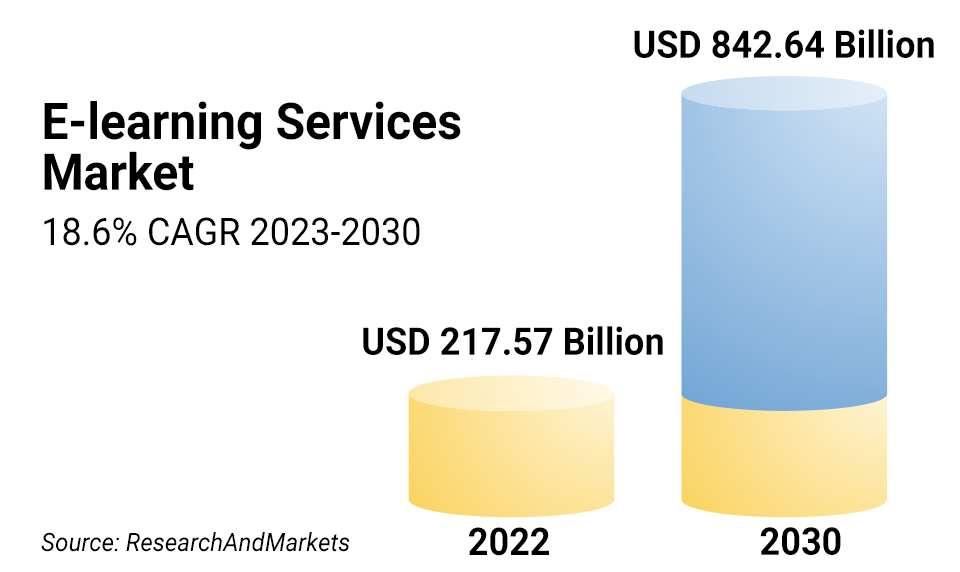
The global e-learning services market is projected to reach $843 billion by 2030. So, the difference between struggle and success increasingly comes down to how you position each educational offering as a gateway to your broader professional creator ecosystem.
The following ten course business ideas represent proven models for audience growth in 2025. Each combines educational excellence with built-in discovery mechanisms. These approaches offer a blueprint for expanding your course reach without compromising your unique value or vision.
1. AI integration for creative professionals
What it is
A specialized educational program designed to bridge the gap between traditional creative skills and emerging AI technologies.
These courses specifically address the unique concerns of photographers, designers, illustrators, writers, and other creative professionals who need to incorporate AI tools into their workflows while preserving their artistic voice. Rather than generic AI instruction, these courses focus on the creative process itself, teaching professionals how to maintain control, enhance their distinctive style, and increase productivity through strategic AI adoption.
Implementation strategy
Develop a course, coaching packaging, membership, or digital product series that teaches photographers, designers, writers, and other creatives how to use AI tools to enhance their process while maintaining their unique style. Include modules on prompt engineering, output refinement, and ethical considerations. Feature case studies of successful creators who balance AI assistance with human creativity.
Audience growth potential
This niche targets an established audience of creative professionals concerned about AI disruption while attracting newcomers eager to enter creative fields with technological advantages. Position yourself as a bridge between traditional creative skills and emerging technologies.
Example use case
A professional photographer creates a course showing other photographers how to use AI for image editing, background removal, and style transfer while preserving their artistic signature and workflow efficiency.
Teachable's complimentary features
Teachable AI, customizable learning paths, and online community spaces for sharing AI experiments and techniques
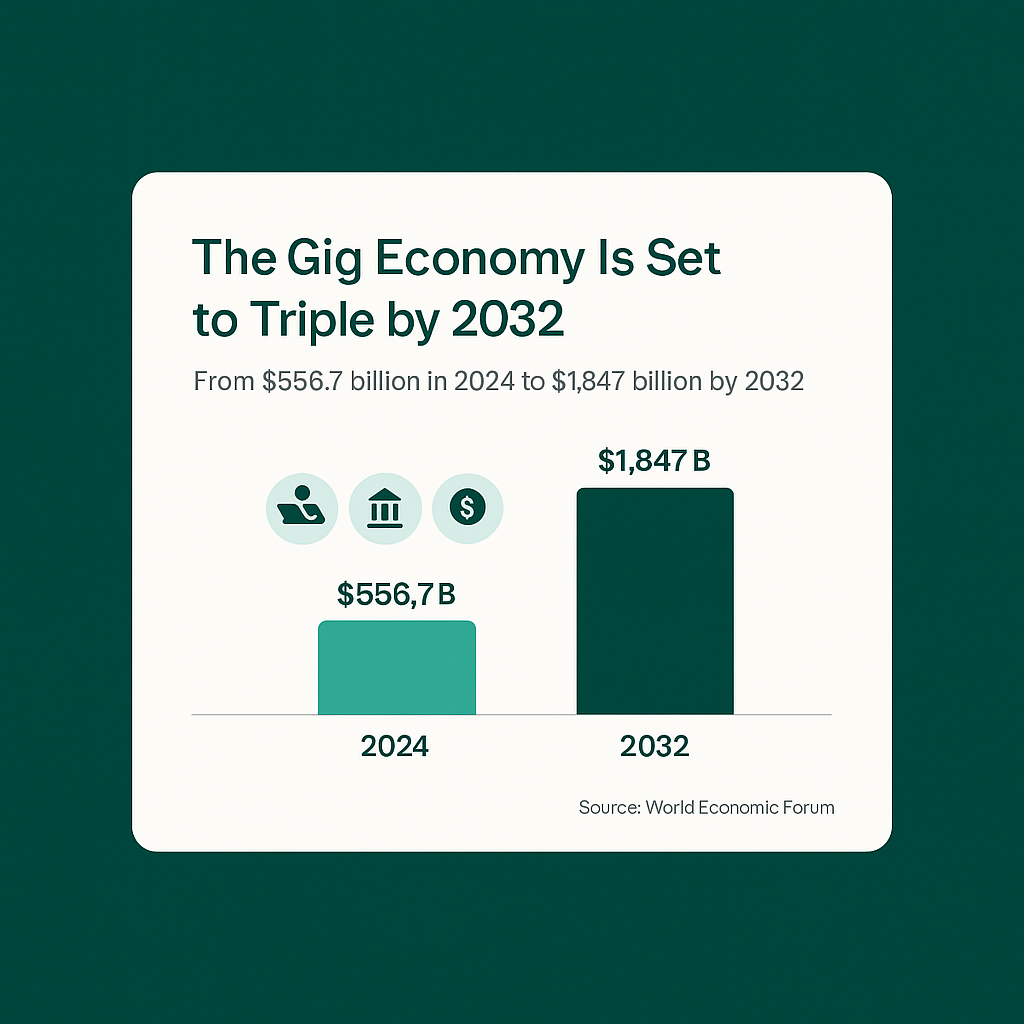
2. Financial literacy for the gig economy (for finance-focused creators)
What it is
A financial education system specifically developed for independent workers operating outside traditional employment structures.
These courses address the complex reality of variable income, self-employment taxes, business expenses, and personal financial planning within the gig economy context.
Implementation strategy
Create a comprehensive financial course covering tax planning, business entity selection, retirement options, healthcare considerations, and income stability techniques specifically for independent workers. Partner with accountants or financial advisors to add credibility and technical accuracy to your content, if necessary.
Audience growth potential
This evergreen topic addresses a growing segment of the workforce with specific pain points traditional financial advice doesn't adequately cover. The course solves immediate problems while building long-term financial competence.
Example use case
A financial planner develops a specialized curriculum for freelance designers and programmers, addressing quarterly taxes, retirement planning, business deductions, and even tax audit issues specific to digital professionals.
Teachable Pay complimentary features
Integrated payment plans, downloadable templates for financial tracking, quiz components to confirm understanding of tax concepts.
3. Niche certification programs
What it is
A structured educational experience that culminates in a formal credential, distinguishing the learner as proficient in a specific methodology, framework, or skill set.
Unlike broadly recognized certifications from major institutions, these programs focus on specialized knowledge areas where formal credentials may not yet exist but carry significant professional value.
The certification serves multiple functions: validating the learner's expertise, enhancing their professional credibility, creating shareable accomplishments, and establishing the course creator as a recognized authority in a defined domain. These programs typically include assessment components, practice opportunities, and clear standards for achievement before certification is granted.
Implementation strategy
Design a comprehensive curriculum with clear learning outcomes and assessment methods. Create professional certificate templates and verification systems. Consider industry partnerships to enhance credential recognition.
Audience growth potential
Certification creates a clear incentive to complete the course and a natural reason for learners to share their results. It also signals authority for the creator and elevates the perceived value of the content.
Example use case
A social media strategist teaches a proprietary client onboarding framework and offers a certification badge students can display on LinkedIn.
Teachable's complimentary features
Built-in completion certificates, quiz gating, and course compliance tracking.

4. Cohort-based learning experiences
What it is
A temporally defined learning model where a group of students progresses through educational material together according to a fixed schedule, combining independent study with synchronous interaction.
Cohort-based experiences create social accountability, peer learning opportunities, and community connection through shared progress. These programs typically feature live instruction sessions, structured group activities, facilitated discussions, and collaborative projects. The cohort model resembles traditional educational experiences while leveraging digital capabilities for enhanced flexibility, personalization, and ongoing community development beyond the formal course period.
Implementation strategy
Develop a structured curriculum with clear milestones and accountability mechanisms. Create systems for peer feedback and collaborative assignments. Schedule synchronous learning sessions to build community and address questions.
Audience growth potential
Limited enrollment and time-bound access create urgency. Learners feel more accountability and often refer others due to the group dynamic, if properly executed.
Example use case
A leadership coach offers a 6-week cohort program for mid-career professionals, with weekly workshops and facilitated breakout groups.
Teachable's complimentary features
Drip content scheduling, integrated community, coaching product, and Zoom/live event integrations.
5. Data literacy for non-technical professionals
"Data literacy is set to be the most in-demand skill by 2030" - The Data Literacy Project
What it is
Educational programs specifically designed to democratize data skills across professional disciplines that traditionally lack technical training.
These courses translate complex data concepts into accessible frameworks using industry-relevant language and examples, allowing professionals in marketing, healthcare, education, law, and other sectors to confidently interpret data, assess analytics reports, make evidence-based decisions, and communicate effectively with technical specialists. The focus remains practical rather than theoretical, emphasizing immediately applicable skills that enhance career performance without requiring coding proficiency or advanced statistical knowledge.
Implementation strategy
Create a course that breaks down the complexity of data analysis for non-technical professionals. Focus on real-world applications that provide immediate benefit like interpreting reports, identifying meaningful metrics, visualizing information effectively, and making data-informed decisions. Use relevant industry examples tailored to specific professional groups.
Audience growth potential
This course addresses a significant skills gap affecting professionals across industries who feel left behind by data transformation. Position your content as the bridge between technical complexity and workplace application.
Example use case
A business analyst creates a consulting program specifically for marketing teams, teaching them to interpret analytics reports, conduct basic A/B testing, and create compelling data visualizations without coding.
Teachable's complimentary features
Multimedia content, downloadable tools, knowledge checks, and regular curriculum updates.
6. Challenge courses (7-day, 14-day, etc.)
What it is
Time-bound learning experiences structured around daily micro-commitments that build toward a significant skill acquisition or habit formation goal.
Challenge courses break complex behavioral or skill changes into manageable daily actions, creating momentum through quick wins and incremental progress. The important thing to remember is to keep it short. Longer challenges may dissuade some participants from signing up or completing.
Implementation strategy
Structure content into small, achievable daily tasks with clear outcomes. Build accountability systems and progress tracking. Consider community components to enhance motivation and completion rates.
Audience growth potential
Challenges have built-in momentum. They work well as lead magnets and are often shared among peer groups. Many convert participants into long-term customers.
Example use case
A nutritionist launches a 7-day clean eating challenge that includes daily videos, checklists, and a private group.
Teachable's complimentary features
Drip content, excellent mobile app student experience, downloadable checklists, and course start date customization.
7. Community building for content creators
What it is
Strategic educational programs focused on helping content creators develop sustainable audience relationships through community development rather than algorithmic dependence.
These courses teach creators to transform passive followers into active community participants by establishing dedicated spaces for deeper engagement, implementing effective moderation systems, designing community rituals, and creating valuable member experiences.
The curriculum typically addresses both technical platform considerations and human psychology elements of community building, with emphasis on creating owned spaces that protect creators from platform volatility while enhancing audience loyalty and monetization opportunities. If you are a current or former community manager, this is for you.
Implementation strategy
Create a comprehensive course on building, nurturing, and monetizing audience communities across platforms. Include sections on community structure, engagement strategies, moderation approaches, and transitioning followers from social platforms to owned spaces.
Audience growth potential
This meta-topic appeals directly to other course creators and content professionals seeking to strengthen their audience relationships. Success stories from your community-building approach serve as built-in case studies.
Example use case
A successful community manager creates a comprehensive playbook showing other creators how to transition from social media followers to engaged, paying community members.
Teachable's complimentary features
Teachable Community, and discussion threads
8. Creator playbooks (teach what you've done)
What it is
Detailed, transparent educational products that document a creator's actual processes, strategies, and systems that produced measurable results in their business or creative practice.
These courses typically combine behind-the-scenes access, concrete examples, adaptable frameworks, and authentic reflection on both successes and failures.
The playbook approach establishes credibility through demonstrated outcomes and positioning the creator as both practitioner and mentor.
Implementation strategy
Document and teach your actual workflows, decision-making processes, and results. Include templates, swipe files, and other tools that helped you succeed. Be transparent about both successes and failures.
Audience growth potential
These courses showcase credibility and build connection. They position the creator as both a practitioner and teacher.
Example use case
A YouTube creator releases a monetization playbook showing how they grew to 100,000 subscribers using affiliate marketing and course bundles.
Teachable's complimentary features
Multimedia support, private coaching add-ons, and content reuse for future products.
9. Skill-based upskilling courses for specific roles
What it is
Highly specialized educational programs targeting defined professional roles that support other businesses or creators, such as executive assistants, project managers, editors, virtual assistants, or operations specialists.
These courses address specific skill gaps and competency requirements that traditional education often overlooks, focusing on tools, workflows, and techniques that enhance performance in supporting roles.
The curriculum emphasizes both technical capabilities and interpersonal skills required for these positions, providing clear paths to increased responsibility, compensation, and career advancement.
These role-specific courses often include industry-standard templates, software training, communication protocols, and productivity systems tailored to the unique challenges of each professional function.
Implementation strategy
Identify specific skill gaps in professional roles and create focused training to address them. Include exercises, templates, and real-world scenarios. Consider certifications or badges to document skill acquisition.
Audience growth potential
These audiences are often underserved and highly motivated. They share resources within their professional communities.
Example use case
A creative agency founder builds a course to train executive assistants in client communication systems used in their agency.
Teachable's complimentary features
LMS features, tiered pricing, and integrations for business use cases.
10. Re-skilling for career pivots
What it is
Comprehensive educational programs designed specifically for professionals seeking to change career directions, industries, or business models.
These courses address both the technical skills and psychological aspects of career transition, combining practical training with strategies for leveraging transferable skills, navigating identity shifts, and building confidence during professional reinvention. They also tend to include components addressing mindset challenges, imposter syndrome, professional positioning, and logistics of career transformation alongside requisite skill development.
Implementation strategy
Create a well-thought out roadmap for career transition, including skills assessment, market research, and strategic networking. Include case studies of successful pivots and exercises to build confidence.
Audience growth potential
Career pivots are deeply personal. These courses often address pain points with clarity and compassion, which drives word-of-mouth.
Example use case
A former HR director teaches professionals how to transition into fractional consulting, with modules on pricing, positioning, and lead generation.
Teachable's complimentary features
High-ticket pricing support, payment plans, and custom onboarding email integrations
How to identify your course opportunity
When evaluating these potential course directions, consider where your expertise naturally intersects with these growing needs. Successful course creators combine:
- Demonstrable expertise in the subject matter
- Personal connection to the challenges being addressed
- Unique perspective or methodology within the broader topic
- Ability to communicate complex concepts accessibly
The most sustainable course businesses address persistent challenges with evolving solutions rather than temporary trends. Your course should solve problems your audience consistently encounters while adapting to changing implementation contexts.
Strategic course development for 2025
The most effective course business models in 2025 are audience-first by design. They do more than transfer knowledge. They generate trust, promote connection, and create multiple paths for discovery.
As learner expectations rise, and the market grows more sophisticated, especially with AI capabilities increasing by the day, creators must build with intent. Each idea on this list can scale reach without sacrificing depth, especially when supported by a platform that allows flexible product delivery, automation, and community growth.
After identifying your course direction, begin market validation through:
- Creating preliminary content pieces addressing aspects of your chosen topic
- Engaging directly with your target audience about specific challenges
- Developing a minimum viable course module to test engagement
- Gathering testimonials from early students to refine your approach
Final recommendations
Teachable provides the technical infrastructure to bring your course to market efficiently, allowing you to focus on content development and audience building. Our course analytics help you identify which topics resonate most strongly with your audience. This makes continous improvement easier.
What expertise could you transform into a valuable learning experience for others in 2025?

Join more than 150,000 creators who use Teachable to make a real impact and earn a real income.